
Living in San Diego: Everything You Need to Know
Cost of living, weather microclimates, commutes, schools, and the unwritten rules of living in San Diego — written by movers who relocate families here every week.
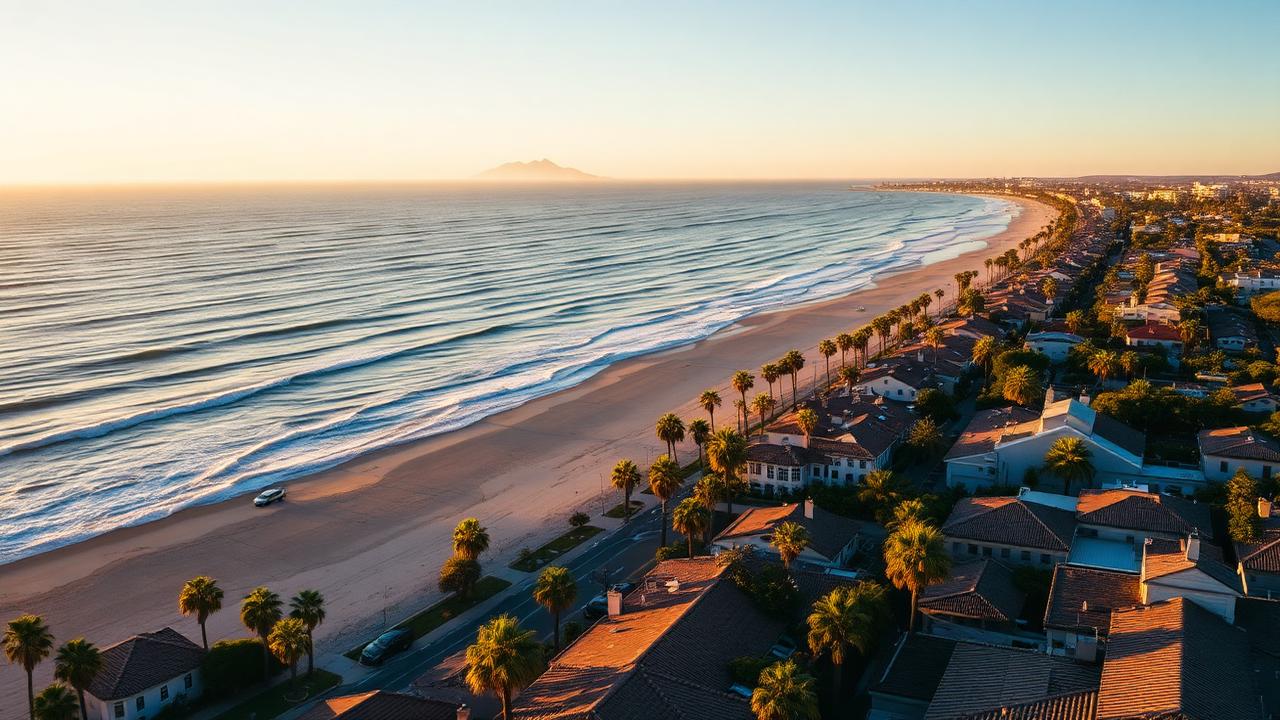
If you're considering a move to San Diego, you've probably already heard about the weather. What people don't tell you is that San Diego is closer to a small country than a city — there are over 100 distinct neighborhoods, six freeway corridors, and microclimates that can swing 20°F across a 15-mile drive. Here's the practical version of what living here is actually like.
The weather is real, but it's also local
Coastal areas (La Jolla, PB, Encinitas) sit in the 60s–70s nearly year-round with morning marine layer ("June Gloom" can run May through July). Inland areas (El Cajon, Escondido, Poway) regularly hit the high 90s in summer. East County can see snow on Mount Laguna in winter. Pick your microclimate intentionally.
Cost of living, honestly
San Diego is expensive — generally 40–55% above the national average, driven almost entirely by housing. Median single-family home prices hover around $950K–$1.05M countywide, with coastal zips well above that. Rent for a 2BR runs $2,800–$4,500 depending on neighborhood. Groceries, gas, and utilities are noticeably above national averages too.
Commutes and traffic
The 5, 805, 15, 8, and 78 are the arteries. Rush hour is real (7–9am, 3–7pm) and unforgiving northbound on the 5 through Sorrento Valley. If you work in biotech (Torrey Pines, Sorrento Valley, UTC), live within 10 miles or your commute will dominate your life. Remote workers have the most freedom — they often pick North County coastal towns for the lifestyle premium.
Schools
San Diego Unified is the city district; outside the city, you'll find Poway Unified, San Dieguito (north coastal), Carlsbad Unified, and Coronado. Top-rated public high schools include Torrey Pines, Canyon Crest, La Jolla, Coronado, and Carlsbad. Private options (Bishop's, Francis Parker, Cathedral Catholic) cluster near the coast.
What you actually do here
Beach mornings, taco shops, hiking Cowles Mountain, sunset at Sunset Cliffs, weekend trips to Anza-Borrego or Joshua Tree. The city is unusually outdoorsy — even office workers tend to surf, bike, or hike weekly. Nightlife is laid-back compared to LA or SF; most things close by 11pm on weeknights.
Moving logistics specific to SD
- Coastal traffic peaks midday on weekends (10am–3pm). Schedule your move on a weekday morning if possible.
- Many condo and HOA buildings require COIs (certificates of insurance) from movers — request yours at least 5 days out.
- Older homes (Mission Hills, Kensington, parts of La Jolla) have narrow staircases and tight doorways. Disclose this when getting quotes.
- Summer (June–August) is peak moving season; rates rise and good crews book 2–3 weeks out.
Should you move here?
If you can absorb the housing cost and want a year-round outdoor lifestyle with one of the most consistent climates in the country, San Diego is hard to beat. Just pick the right pocket — the difference between thriving and resenting the cost usually comes down to neighborhood fit, not the city itself.
Need help with your San Diego move?
On-demand movers, junk haulers, delivery drivers, and assemblers — vetted, insured, and ready across all of San Diego County.